
Decoding Eye Pain For the Residents
In ophthalmology, pain is often the first clue—and sometimes the biggest distraction.
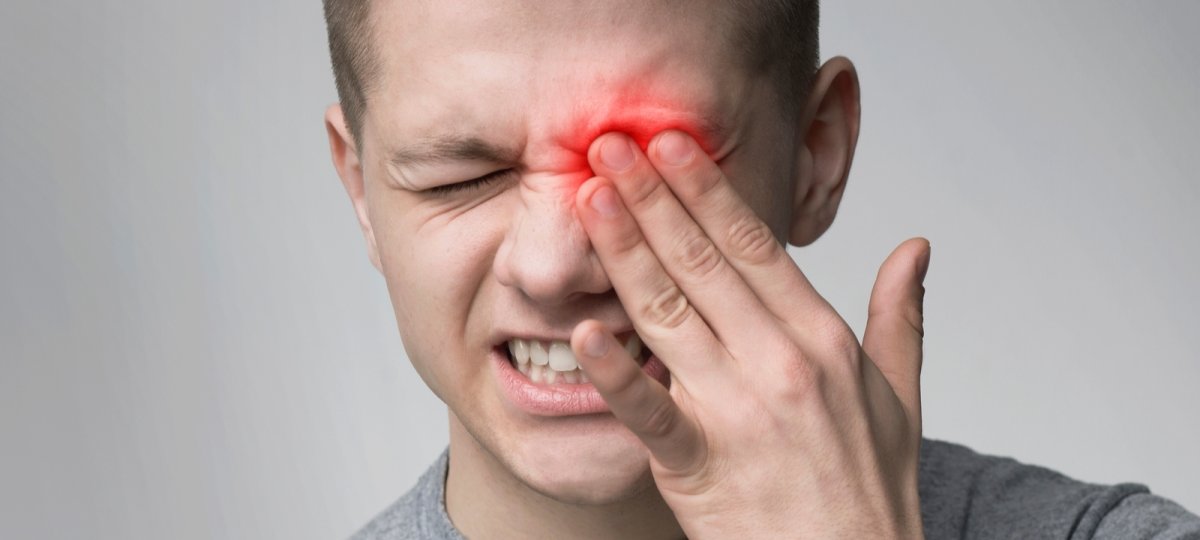
Eye pain is one of the most alarming symptoms a patient can present with. It can range from a minor irritation to a sign of a sight-threatening or even life-threatening emergency. As a resident, I used to get puzzled often, and even now, some causes of eye pain puzzle me in a routine eye OPD. My residents often ask me how to differentiate a case of ocular orperiocular pain. So, this write-up is an overview of ocular pain, irrespective of my area of subspecialty (uveitis). Rather, it is a guide for postgraduates and residents in ophthalmology on how to differentiate a case of ocular or periocular pain.
As an ophthalmologist, while evaluating a case of eye pain, your goal is to rapidly decide: Is this dangerous? Does the patient need an ophthalmologist right now?
The eye is richly innervated by the ophthalmic division of the trigeminal nerve (V1). The cornea alone has the densest sensory innervation of any surface in the human body, being about 300–600 times more sensitive than skin. This is why even a tiny corneal scratch causes excruciating pain. However, many sight-threatening conditions (open-angle glaucoma, retinal detachment, cataract) are entirely painless. Remember one important truth: “Pain does not always mean danger, and no pain does not mean safety.”
Quick Pain Symptom Guide
Always pay attention to the patient’s version, but don’t jump to conclusions based only on the symptoms.
|
Symptom |
Think of... |
|
Foreign body sensation / grittiness |
Corneal abrasion, conjunctivitis, dry eye, foreign body |
|
Severe aching + nausea/vomiting |
Acute angle-closure glaucoma — EMERGENCY |
|
Pain worsened by eye movement |
Optic neuritis, orbital myositis, retrobulbar neuritis, Posterior Scleritis |
|
Deep boring pain, worse at night |
Scleritis — look for systemic autoimmune disease |
|
Unilateral periorbital + autonomic features |
Cluster headache, Tolosa-Hunt syndrome |
|
Pain + reduced colour vision + RAPD |
Optic neuritis — rule out multiple sclerosis |
|
Pain + proptosis + diplopia + fever |
Orbital cellulitis — EMERGENCY |
|
Jaw claudication + scalp tenderness + elderly |
Giant cell arteritis — treat immediately |
|
Photophobia + red eye + cells in AC |
Anterior uveitis / iridocyclitis |
|
Burning / dryness, no redness on exam |
Dry eye or neuropathic ocular pain |
Corneal Abrasion
Pathology / Mechanism of Ocular Pain
The corneal epithelium is disrupted — by a fingernail, dust, contact lens, or foreign body. This exposes densely packed C-fibre polymodal nociceptors (300-600x more sensitive than skin). The nerve endings fire continuously with every blink, producing pain completely out of proportion to the injury size.
What the Patient Says
- Severe sharp pain, worse with blinking
- "Something is in my eye — I can't blink it away"
- Excessive tearing and photophobia
- Pain relieved by closing the eye or instilling topical anaesthetic (proparacaine)
What You See on Exam
- Conjunctival injection, excessive lacrimation
- Fluorescein staining under cobalt blue light — reveals epithelial defect (green patch)
- Evert the upper lid — look for subtarsal foreign body
Clinical Pearls
PEARL 1: If the abrasion occurred during hammering/metal work — always X-ray orbit or CT scan to rule out an intraocular foreign body!
PEARL 2: Topical anaesthetic RELIEVES the pain instantly — this is both diagnostic and therapeutic. Never prescribe topical anaesthetics for home use (they impair healing).
PEARL 3: Contact lens wearers — use anti-pseudomonal antibiotic drops (e.g., ciprofloxacin), as Pseudomonas can rapidly destroy the cornea.
Bacterial / Fungal Keratitis (Corneal Ulcer)
Pathology / Mechanism of Ocular Pain
Microbial invasion of the corneal stroma through a break in epithelium (e.g., contact lens wear, trauma, dry eye). Bacteria (Pseudomonas in contact lens users, Staph in general) or fungi (Aspergillus, Fusarium — after vegetative trauma) colonise the stroma. Intense neutrophilic infiltration causes stromal necrosis and ulceration.
What the Patient Says
- Severe pain with photophobia and watering
- Reduced or blurred vision
- History of recent ocular trauma, contact lens use (overnight wear is high risk), or topical steroid use
What You See on Exam
- White or grey stromal infiltrate on slit lamp — may have a surrounding ring or satellite lesions (fungal)
- Mucopurulent discharge
- Hypopyon (pus in anterior chamber) in severe cases — a sign of serious infection
- Fluorescein shows overlying epithelial defect
Clinical Pearls
PEARL 1: Hypopyon = bacterial/fungal ulcer until proven otherwise.
PEARL 2: Never start topical steroids without slit lamp confirmation — they will accelerate bacterial or fungal destruction.
PEARL 3: Fusarium/fungal ulcer — look for feathery edge infiltrate, especially after agricultural or plant trauma.
Conjunctivitis
Pathology / Mechanism of Ocular Pain
Inflammation of the conjunctiva. Causes include: bacterial (Staph, Strep, Haemophilus in children; Neisseria gonorrhoeae — rapidly destructive), viral (adenovirus — most common, highly contagious; HSV), allergic (Type I IgE-mediated hypersensitivity — eosinophilic response), and chemical/toxic.
What the Patient Says
- Redness, gritty/burning sensation — described as "like sand in my eye"
- Watery discharge (viral/allergic) or mucopurulent discharge (bacterial)
- Itching is the hallmark of allergic conjunctivitis
- "My eyelids were stuck together when I woke up" — bacterial conjunctivitis
What You See on Exam
- Diffuse conjunctival hyperaemia — brick-red appearance
- Follicles (viral) or papillae (allergic/bacterial) on palpebral conjunctiva
- Pre-auricular lymphadenopathy = viral (adenovirus) — almost never seen in bacterial
- Chemosis in allergic — lid oedema and stringy mucous discharge
Clinical Pearls
PEARL 1 : Pre-auricular node = viral. No node = likely bacterial. Itching = allergic. This simple triad guides initial management.
PEARL 2: Neonatal conjunctivitis (ophthalmia neonatorum) in the first 28 days — Neisseria gonorrhoeae causes corneal perforation within hours. Refer IMMEDIATELY.
PEARL 3: Follicular conjunctivitis that does not resolve — think Chlamydia trachomatis.
Acute Angle-Closure Glaucoma
Pathology / Mechanism of Ocular Pain
The drainage angle between the iris and cornea suddenly closes, blocking outflow of aqueous humour. Intraocular pressure (IOP) can spike to 40-70 mmHg (normal 10-21 mmHg) within minutes. This causes corneal epithelial oedema (cloudy cornea), ischaemia of the iris, and if untreated, rapid irreversible optic nerve damage. Triggers include dim lighting or anything that dilates the pupil (anticholinergics, adrenergic drugs, stress). Risk factors: hyperopia, female sex, Asian ethnicity, advancing age, shallow anterior chamber.
What the Patient Says
- Sudden severe eye pain + severe headache
- Nausea and vomiting (mimics GI emergency!)
- "Halos around lights" — due to corneal oedema
- Rapidly decreasing vision
- Pain often starts in the evening (dim light → pupil dilation → angle closure)
What You See on Exam
- Red eye with circumcorneal (ciliary) flush
- "Steamy" or hazy cornea — due to epithelial oedema
- Fixed, semi-dilated pupil (mid-dilated, oval, non-reactive)
- IOP markedly elevated on tonometry
- Shallow anterior chamber on slit lamp
- Hard eye on gentle palpation
Clinical Pearls
PEARL 1: Patient vomiting with eye pain — think acute glaucoma, NOT a GI problem. Always check IOP.
PEARL 2: The fellow (other) eye is also at risk — always examine both eyes; may need prophylactic laser iridotomy in the other eye.
PEARL 3: "Steamy cornea + fixed mid-dilated pupil + red eye + headache + vomiting" = emergency
Anterior Uveitis
Pathology / Mechanism of Ocular Pain
The breakdown of the blood-aqueous barrier allows protein and inflammatory cells to spill into the anterior chamber. Causes include: idiopathic (50%), HLA-B27-associated conditions (ankylosing spondylitis, reactive arthritis, IBD, psoriatic arthritis), infections (HSV, CMV, toxoplasma, TB, syphilis, Lyme), sarcoidosis, Behcet disease, and juvenile idiopathic arthritis (JIA).
What the Patient Says
- Dull, aching periorbital pain — worse in bright light (photophobia)
- Redness — especially around the corneal limbus (ciliary flush/perilimbal injection)
- Blurred vision
- "My eye hurts more when you shine a light in the other eye" — consensual photophobia
What You See on Exam
- Perilimbal (ciliary) flush — violaceous injection around the cornea
- Keratic precipitates (KPs): inflammatory cells on corneal endothelium
- Aqueous flare and cells on slit lamp ("dusty" anterior chamber)
- Posterior synechiae (iris stuck to lens)
- Hypopyon in severe or infectious cases (Behcet — hypopyon uveitis)
- RAPD if posterior involvement affects optic nerve
Clinical Pearls
PEARL 1: Ciliary flush (perilimbal injection) = intraocular inflammation. Diffuse conjunctival injection = surface disease. Learn to differentiate.
PEARL 2: Photophobia in uveitis is caused by ciliary muscle spasm and often these patients do not allow to examine the properly. Use the light with full intensity, but use a narrow width of slitlamp beam to examine the eye
PEARL 3: Always ask about back pain, joints, skin rash, bowel symptoms — uveitis may be the first sign of a systemic HLA-B27 disease.
PEARL 4: Always rule out syphilis while investigating any case of Uveitis
Scleritis
Pathology / Mechanism
Inflammation of the sclera. Pain arises because the sclera has a rich innervation via short posterior ciliary nerves. Scleritis is classified as anterior (most common — nodular, diffuse, or necrotising) or posterior. 50% of cases are associated with systemic autoimmune disease: rheumatoid arthritis (most common), granulomatosis with polyangiitis (Wegener), SLE, relapsing polychondritis, IBD, and giant cell arteritis. Infections (herpes zoster, TB, syphilis) also cause scleritis.
What the Patient Says
- SEVERE, deep, boring, constant pain — often described as aching into the jaw, temple, or forehead
- Pain characteristically WAKES the patient at night
- Eye redness that does not improve with vasoconstrictor drops
- Tearing and photophobia
What You See on Exam
- Deep violaceous (bluish-red) discolouration of the sclera
- Scleral tenderness on gentle palpation with a cotton tip
- Scleral oedema and engorgement of deep episcleral vessels
- Vessels do NOT blanch with 2.5% phenylephrine (blanching = episcleritis)
- Posterior scleritis: proptosis, disc oedema, exudative RD (no red eye!)
Clinical Pearls
PEARL 1: Scleritis vs Episcleritis — the 2.5% phenylephrine drop test. Vessels blanch in episcleritis, not in scleritis. Scleritis is much more painful.
PEARL 2: Posterior scleritis mimics orbital cellulitis or choroidal tumour — always do a B-scan ultrasound. Look for the "T-sign" (fluid in Tenon's capsule). But remember its absence does not exclude posterior scleritis
PEARL 3: A patient with RA and new severe eye pain = scleritis until proven otherwise. Necrotising scleritis = scleromalacia perforans, can perforate the globe.
Optic Neuritis
Pathology / Mechanism
Inflammation of the optic nerve — demyelinating (most common, associated with multiple sclerosis), or less commonly infectious/granulomatous. In MS, activated T-cells cross the blood-brain barrier and attack myelin surrounding the optic nerve. This slows nerve conduction causing visual loss. Pain occurs because the inflamed nerve and surrounding dura are pulled on with eye movements. 20% of MS patients present with optic neuritis as the first symptom; 70% develop it at some point.
What the Patient Says
- Acute unilateral visual loss (develops over days, nadir at 1-7 days)
- Pain behind the eye — worse with eye movement (classic and pathognomonic)
- Colours look "washed out" — dyschromatopsia (especially red desaturation)
- Uhthoff's phenomenon: vision worsens in hot weather or after exercise (Lenz's sign)
What You See on Exam
- Reduced visual acuity
- Impaired colour vision — ask patient to compare red target in both eyes
- RAPD (Relative Afferent Pupillary Defect) — swinging flashlight test shows affected pupil dilating when light swung to it
- Disc may be normal (retrobulbar neuritis — 65%) or swollen (papillitis)
- Visual field defect (central scotoma most common)
- Optic pallor develops after 4-6 weeks
Clinical Pearls
PEARL 1: Pain on eye movement + vision loss + RAPD + red desaturation = optic neuritis. Do MRI immediately.
PEARL 2: A normal optic disc does NOT exclude optic neuritis (two-thirds are retrobulbar with normal fundus).
PEARL 3: White matter lesions on MRI (periventricular, infratentorial) = very high risk of MS. Start DMT (disease-modifying therapy) discussion with neurology.
PEARL 4: The ONTT (Optic Neuritis Treatment Trial) showed IV methylprednisolone speeds recovery but does not improve final visual outcome.
Endophthalmitis
Pathology / Mechanism
Bacteria or fungi enter via surgery, trauma, or hematogenous spread (endogenous), breaching the blood-ocular barrier to colonize the posterior segment. Virulence factors like bacterial toxins (e.g., hemolysins, phospholipases from Bacillus cereus), quorum-sensing regulators (PlcR), and capsules (Streptococcus pneumoniae) drive rapid growth and tissue destruction. Host neutrophils release chemokines (e.g., CXCL1) and proteases, causing bystander retinal necrosis despite aiding microbial clearance. The vitreous has no immune privilege — bacteria replicate rapidly and destroy retinal tissue.
What the Patient Says
- Severe pain, usually starting 1-7 days after intraocular surgery or trauma
- Rapidly worsening vision
- Red eye, swollen eyelids
- Fever may be present in endogenous endophthalmitis
What You See on Exam
- Red eye with severe chemosis
- Hypopyon (pus in anterior chamber) — often large and rapidly increasing
- Hazy vitreous on slit lamp / indirect ophthalmoscopy
- Absent or severely diminished fundal red reflex
- Corneal oedema
Clinical Pearls
PEARL 1: Any post-operative eye with increasing pain, hypopyon, and decreasing vision = endophthalmitis. Do not wait — emergency referral and vitreous tap + intravitreal antibiotics within hours.
PEARL 2: Bacillus cereus endophthalmitis (after soil/agricultural trauma) is extremely aggressive — total visual loss can occur within 24 hours.
PEARL 3: Endogenous endophthalmitis — think IV drug user, diabetic patient, immunosuppressed. Candida can present subacutely with "string of pearls" vitreous infiltrates.
Cluster Headache
Pathology / Mechanism of Ocular Pain
Cluster headache pain arises from activation of the trigeminovascular system and trigeminal-autonomic reflex, driven by hypothalamic dysregulation, producing unilateral periorbital agony. This is a neurovascular headache where neuronal firing, not primary vascular changes, initiates the attack. The posterior hypothalamus acts as a “biological clock,” showing activation on PET scans during bouts and structural changes on voxel-based morphometry; it triggers central disinhibition of trigeminal nociceptors. Pain signals from dural vessels and dura traverse the ophthalmic (V1) trigeminal branch to the trigeminocervical complex (TCC), releasing CGRP, substance P, and neurokinin A, elevated in attacks, to cause vasodilation and neurogenic inflammation. Predominantly affects middle-aged men (M:F = 5:1). Triggers include alcohol, nitroglycerin, histamines, altitude, and disrupted sleep.
What the Patient Says
- Excruciating, strictly unilateral, retroorbital or periorbital boring/stabbing pain
- Attacks last 45-90 minutes, occurring 1-3x per day (often waking at night)
- Patient is RESTLESS and paces around (contrast to migraine where patient lies still in dark room)
- "The worst pain I have ever felt" — sometimes called "suicide headaches"
What You See on Exam
- Ipsilateral Horner syndrome: ptosis + miosis + anhidrosis
- Ipsilateral lacrimation, rhinorrhea, nasal congestion
- Conjunctival injection and facial flushing on the side of headache
- Normal optic disc and eye exam between attacks
Clinical Pearls
PEARL 1: Restlessness distinguishes cluster from migraine. Cluster patients cannot lie still; migraine patients need a dark, quiet room.
PEARL 2: Horner syndrome during an attack = cluster until proven otherwise. Persistent Horner between attacks — image the carotid to exclude carotid artery dissection.
PEARL 3: 100% oxygen (12-15 L/min via tight-fitting mask) aborts an acute attack within 15 minutes — it is a specific treatment and also a diagnostic test.
Tolosa-Hunt Syndrome
Pathology / Mechanism of Ocular Pain
Nonspecific granulomatous inflammation of the cavernous sinus or superior orbital fissure. This region contains CNs III, IV, VI (oculomotor, trochlear, abducens — control eye movements) and the ophthalmic branch of V (sensation). Inflammation compresses these nerves causing painful ophthalmoplegia. The exact cause is unknown — likely autoimmune. It responds dramatically to corticosteroids (a diagnostic-therapeutic trial).
What the Patient Says
- Severe, constant, unilateral retroorbital pain — often the first symptom, preceding diplopia
- Double vision (diplopia) — due to cranial nerve palsies
- Numbness or tingling of the forehead (V1 involvement)
- Drooping of the eyelid (ptosis — CN III or sympathetic involvement)
What You See on Exam
- Painful ophthalmoplegia (limited eye movements in any combination of CN III, IV, VI palsy)
- Ptosis
- Pupillary abnormalities (mydriasis if CN III; miosis if sympathetic)
- Reduced corneal sensation (V1 involvement)
- Proptosis may be present
Clinical Pearls
PEARL 1: Painful ophthalmoplegia = Tolosa-Hunt, cavernous sinus thrombosis, or cavernous sinus aneurysm. MRI is essential to differentiate.
PEARL 2: Dramatic response to steroids within 24-72 hours helps confirm Tolosa-Hunt. If no response, reconsider the diagnosis (tumour? aneurysm?).
PEARL 3: Tolosa-Hunt can recur. 30-40% of patients relapse after stopping steroids — long-term immunosuppression may be needed.
Orbital Cellulitis
Pathology / Mechanism of Ocular Pain
Orbital cellulitis is infection posterior to the orbital septum — a MEDICAL AND SURGICAL EMERGENCY. Orbital cellulitis pain stems from intense acute inflammation in the orbital fat and extraocular muscles, triggered by bacterial invasion (often Staphylococcus aureus, Streptococcus spp.) via sinusitis, trauma, or skin spread. This causes tissue edema, proptosis, and mechanical stretch on fascial planes and nerves, exacerbated by cytokine-mediated nociceptor sensitization .Pathogens produce virulence factors like toxins (S. aureus exotoxins), enzymes (e.g., streptokinase), and adhesins, promoting rapid spread across the orbital septum. The host mounts a vigorous neutrophilic response with cytokine release (IL-1, TNF-α), leading to edema, fibrin deposition, and vascular congestion—elevating IOP and compressing tissues. Pain intensifies with eye movements due to inflamed extraocular muscle stretch and periorbital nerve irritation.
What the Patient Says
- Painful, red, swollen eyelids (rapidly worsening)
- Fever and malaise
- Diplopia and pain on eye movement (orbital cellulitis — not preseptal)
- Visual deterioration (orbital cellulitis — suggests optic nerve compression)
- Headache, nausea (may suggest intracranial extension)
What You See on Exam
- Preseptal: Lid oedema and erythema, NORMAL eye movement, NORMAL vision, NO proptosis
- Orbital: Proptosis, restricted painful eye movement, chemosis, vision may be reduced, RAPD
- Fever, raised WBC
- Signs of sinusitis (tenderness over sinuses, nasal discharge)
Clinical Pearls
PEARL 1: Any lid swelling — do the eye movement test. If eye movements are restricted and painful with proptosis and fever = orbital cellulitis = ADMIT + IV antibiotics + CT scan.
PEARL 2: Complications of orbital cellulitis: subperiosteal abscess (most common), orbital abscess, cavernous sinus thrombosis, meningitis, brain abscess. These can be fatal.
PEARL 3: CT orbit with contrast is mandatory for orbital cellulitis to assess for abscess and plan surgical drainage.
Giant Cell Arteritis (Temporal Arteritis)
Pathology / Mechanism of Ocular Pain
A granulomatous vasculitis of medium and large vessels — predominantly affecting the external carotid branches (temporal, ophthalmic arteries) in patients over 50 years. Giant cells infiltrate and destroy the elastic layer of the vessel wall, causing intimal thickening, stenosis, thrombosis, and ischaemia. Ischaemia of the ophthalmic artery or posterior ciliary arteries causes anterior ischaemic optic neuropathy (AION) — the most common cause of sudden visual loss in elderly patients in developed countries.
The pain arises from ischemic inflammation of cranial arteries, particularly the superficial temporal and ophthalmic arteries, due to granulomatous vasculitis. This triggers vessel wall distension, perivascular nerve irritation, and cytokine-mediated nociceptor sensitization
What the Patient Says
- New onset temporal headache in a patient over 50 years
- "Jaw claudication" — jaw pain while chewing (pathognomonic — masseter ischaemia)
- Scalp tenderness — "it hurts to comb my hair or rest my head on a pillow"
- Sudden painless visual loss — if AION has occurred
- Polymyalgia rheumatica symptoms (shoulder and hip girdle stiffness in the morning)
What You See on Exam
- Tender, thickened, nodular, non-pulsatile temporal artery on palpation
- Sudden visual loss — RAPD, pale swollen disc (anterior AION)
- Scalp tenderness
- Occasionally diplopia (ischaemia of extraocular muscles or cranial nerves)
Clinical Pearls
PEARL 1: Any patient over 50 with new headache + jaw claudication = GCA until proven otherwise. Do NOT wait for biopsy results — start high-dose steroids IMMEDIATELY.
PEARL 2: ESR > 50 mm/hr + CRP elevation in an elderly patient with headache = treat as GCA. ESR can rarely be normal in active GCA.
PEARL 3: Once visual loss occurs, it is usually IRREVERSIBLE. The second eye can lose vision within days-hours if untreated. Treat first, biopsy later.
PEARL 4: Biopsy of temporal artery must be done within 2 weeks of starting steroids (vasculitis may still be visible histologically).
Herpes Zoster Ophthalmicus (HZO)
Pathology / Mechanism of Ocular Pain
Reactivation of dormant varicella-zoster virus (VZV) in the trigeminal ganglion — specifically the ophthalmic division (V1). After primary chickenpox, VZV lies latent in sensory ganglia. Immunosuppression (age, HIV, steroids, malignancy) triggers reactivation. The virus travels down the nerve causing skin eruption (dermatomal vesicular rash) and neural inflammation. Ocular involvement occurs in 50-72% of HZO cases.
Viral replication causes axonal necrosis, demyelination, and edema, sensitizing nociceptors via inflammatory mediators (e.g., cytokines from immune response). Perineural inflammation (perineuritis) directly irritates sensory fibers, producing allodynia/hyperalgesia
What the Patient Says
- Prodrome: burning, tingling, itching pain over the forehead/scalp 2-3 days before rash
- Painful vesicular rash over V1 dermatome (forehead, scalp, tip of nose)
- "Hutchinson's sign" — vesicles on the TIP of the nose indicate nasociliary nerve involvement and predict ocular involvement
- Eye pain, redness, photophobia after rash appears
What You See on Exam
- Unilateral vesicular rash in V1 distribution — does NOT cross midline
- Hutchinson's sign: vesicles on tip or side of nose
- Conjunctivitis, keratitis (dendritic or geographic ulcers), iritis, scleritis, or retinitis
- Corneal hypoaesthesia (reduced sensation) — risk of neurotrophic keratopathy
- Ptosis, ophthalmoplegia if cranial nerve involvement
Clinical Pearls
PEARL 1: Hutchinson's sign (nose tip vesicles) = nasociliary nerve involvement = 76% chance of ocular complications. Refer to ophthalmology urgently.
PEARL 2: Post-herpetic neuralgia (PHN) is the most feared complication — constant burning neuropathic pain for months to years. Antivirals within 72 hours of rash reduce PHN risk significantly.
PEARL 3: HZO in a young patient without obvious immunosuppression — check HIV status.
Dry Eye Disease & Neuropathic Ocular Pain
Pathology / Mechanism of Ocular Pain
The cornea is the most densely innervated surface in the body. Dry eye disease involves insufficient tear film (aqueous deficiency: Sjogren's, post-radiation; evaporative: Meibomian gland dysfunction) causing ocular surface inflammation and epithelial breakdown. Repeated desiccation and inflammation damage corneal nerve fibres, leading to peripheral sensitisation and eventually CENTRAL sensitisation — where pain persists even after the original stimulus resolves. This is neuropathic ocular pain . Risk factors: Sjogren's syndrome, GVHD, post-LASIK, fibromyalgia, PTSD, migraine, female sex.
What the Patient Says
- Burning, stinging, dryness, foreign body sensation
- Symptoms worse in air-conditioned environments, with screen use, or wind
- Pain out of proportion to clinical signs — a hallmark of neuropathic component
- Paradoxical tearing (reflex lacrimation from desiccation)
What You See on Exam
- Reduced tear meniscus, rapid tear break-up time (TBUT < 10 seconds)
- Punctate epithelial erosions (PEE) on fluorescein staining
- Reduced Schirmer test (< 5 mm/5 min = aqueous deficiency)
- In NOP: symptoms disproportionate to clinical findings — exam may appear near-normal
- Confocal microscopy: reduced corneal nerve density, nerve tortuosity
Clinical Pearls
PEARL 1: When a patient's pain is far worse than what you see clinically — think neuropathic ocular pain. These patients need central pain modulators (gabapentin, low-dose naltrexone, TCAs), not just more eye drops.
PEARL 2: In-vivo confocal microscopy (IVCM) is the gold standard for visualising corneal nerve changes — useful to objectively document neuropathic pain.
PEARL 3: Sjogren's syndrome dry eye + joint pain + dry mouth = refer for ANA, anti-Ro/SSA, anti-La/SSB antibody testing.
Red Flags of Ocular Pain in Clinic
- Sudden visual loss
- Fixed, non-reactive, or mid-dilated pupil
- Proptosis
- Painful ophthalmoplegia
- Hypopyon
- Corneal ulcer or opacity
- Hyphema
- IOP > 30 mmHg
- Post-operative pain with decreasing vision
- Elderly patient with new severe headache + jaw claudication (GCA)
At-A-Glance Differential Diagnosis
|
Condition |
Eye Red? |
Key Feature |
Key Test / Action |
|
Corneal abrasion |
Yes |
Foreign body sensation, fluorescein uptake, pain relief with topical anaesthetic |
Slit lamp + fluorescein; evert lid |
|
Bacterial keratitis |
Yes |
White infiltrate + hypopyon in severe cases |
Corneal scrape, culture, Gram stain |
|
Conjunctivitis |
Yes |
Discharge; pre-auricular node = viral |
Clinical; swab if STI suspected |
|
Acute glaucoma |
Yes |
Fixed mid-dilated pupil, steamy cornea, vomiting |
Tonometry URGENT; refer NOW |
|
Anterior uveitis |
Yes |
Ciliary flush, KPs, aqueous flare/cells, photophobia |
Slit lamp; systemic laboratory workup |
|
Scleritis |
Yes |
Deep boring pain, violaceous, no blanching |
Phenylephrine test; FBC/ESR/ANCA |
|
Optic neuritis |
No |
Pain on eye movement, RAPD, red desaturation |
MRI brain + orbits (gadolinium) |
|
Endophthalmitis |
Yes |
Post-op / post-trauma; hypopyon, no red reflex |
Vitreous tap + intravitreal Abx URGENT |
|
Cluster headache |
No* |
Unilateral severe pain, restless, Horner, tearing |
MRI/MRA; 100% O2 test |
|
Tolosa-Hunt |
No |
Painful ophthalmoplegia, responds to steroids |
MRI cavernous sinus; exclude aneurysm |
|
Orbital cellulitis |
Yes |
Proptosis, restricted EOM, fever, post-sinusitis |
CT orbit + sinuses; IV antibiotics |
|
Giant cell arteritis |
No* |
Age >50, jaw claudication, elevated ESR, AION |
ESR/CRP/biopsy; steroids IMMEDIATELY |
|
Herpes Zoster Ophth. |
Yes |
Dermatomal rash, Hutchinson's sign |
Clinical; slit lamp; Schirmer; HIV if young |
|
Dry Eye / NOP |
Mild |
Burning/dryness, pain > signs (neuropathic) |
Slit lamp, Schirmer, TBUT, IVCM |
References:
1. Kozarsky A. Eye pain. In: Walker HK, Hall WD, Hurst JW, editors. Clinical Methods: The History, Physical, and Laboratory Examinations. 3rd ed. Boston: Butterworths; 1990. Chapter 112. 2. Belmonte C, Acosta MC, Merayo-Lloves J, Gallar J. What causes eye pain? Curr Ophthalmol Rep. 2015;3(2):111-121. doi:10.1007/s40135-015-0073-9 3. Mehra D, Cohen NK, Galor A. Ocular surface pain: a narrative review. Ophthalmol Ther. 2020;9(3):427-447. doi:10.1007/s40123-020-00263-9 4. Rusciano D, Bagnoli P, Gallar J, Galor A. Eye pain: etiology and therapeutic approaches [Editorial]. Front Pharmacol. 2022;13:914809. doi:10.3389/fphar.2022.914809 5. Murthy SI, Das S, Deshpande P, Kaushik S, Dave TV, Agashe P, et al. Differential diagnosis of acute ocular pain: teleophthalmology during COVID-19 pandemic — a perspective. Indian J Ophthalmol. 2020;68(7):1371-1379. doi:10.4103/ijo.IJO_1267_20 6. Aguilera ZP, Chen PL. Eye pain in children. Pediatr Rev. 2016;37(10):418-429. doi:10.1542/pir.2015-0096 7. Waldman CW, Waldman SD, Waldman RA. A practical approach to ocular pain for the non-ophthalmologist. Pain Manag. 2014;4(6):413-426. doi:10.2217/PMT.14.38 8. Lee AG, Brazis PW. The evaluation of eye pain with a normal ocular exam. Semin Ophthalmol. 2003;18(4):190-199. doi:10.1080/08820530390895190 9. Agostoni E, Frigerio R, Protti A. Controversies in optic neuritis pain diagnosis. Neurol Sci. 2005;26(Suppl 2):S75-S78. doi:10.1007/s10072-005-0413-y 10. Fiore DC, Pasternak AV, Radwan RM. Pain in the quiet (not red) eye. Am Fam Physician. 2010;82(1):69-73. 11. Waldman CW, Waldman SD, Waldman RA. Pain of ocular and periocular origin. Med Clin North Am. 2013;97(2):293-307. doi:10.1016/j.mcna.2012.12.004