
Uveitis: Diagnose. Explain. Manage. Learn.
Uveitis: Diagnose. Explain. Manage. Learn.
Uveitis: Diagnose. Explain. Manage. Learn.
Uveitis: Diagnose. Explain. Manage. Learn.
Uveitis: Diagnose. Explain. Manage. Learn.
Uveitis: Diagnose. Explain. Manage. Learn.
Browse all articles and insights
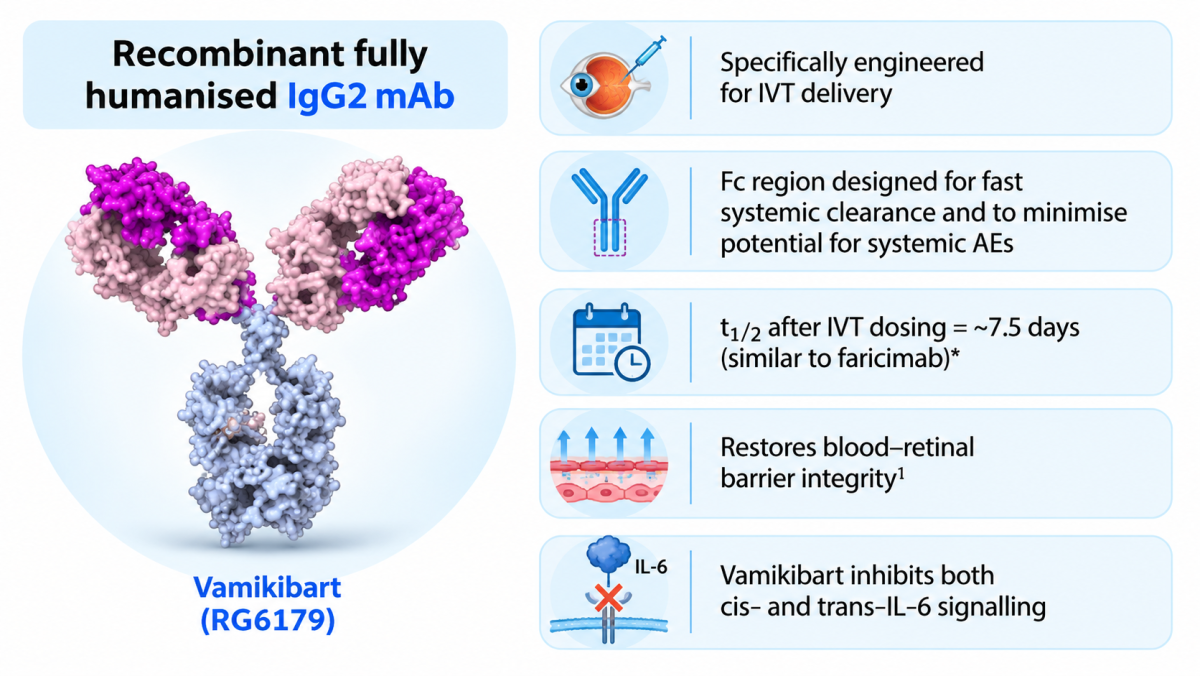
IL-6 — More Than Just an Inflammatory Cytokine Discovered in the 1980s, IL-6 initially went by several different names because different laboratories...
 PG Series
Question Asked in the Exams: Uveitic: classification, C/F, complications, management. Nodules of the iris. Keratic precipitates Acute anterior uveitis.
 PG Series
Band keratopathy Characterized by deposition of calcium hydroxyapatite in the cornea at the level of Bowman's membrane in long-standing chronic iridocyclitis...
 PG Series
Questions Asked in the Exam: Discuss briefly about the granulomatous uveitis and its management. Ocular manifestations in leprosy Ocular manifestations of TB...
 PG Series
Toxoplasmosis is caused by Toxoplasma gondii, an obligate intracellular protozoan. Life cycle of parasite is completed or require following hosts: Definitive...
 PG Series
The various manifestations of the disease are given in the table below: 1. Ocular adnexal and anterior segment lesions Kaposi’s sarcoma Molluscum contagiosum...
 PG Series
Routine Tests: Routine blood tests are of limited value for the diagnosis of specific causes of uveitis.
 Treating the Fire
Cataract remains the most frequent vision-threatening complication of childhood uveitis. In the developing visual system, lens opacification is not merely a...
 Patterns & Presentations
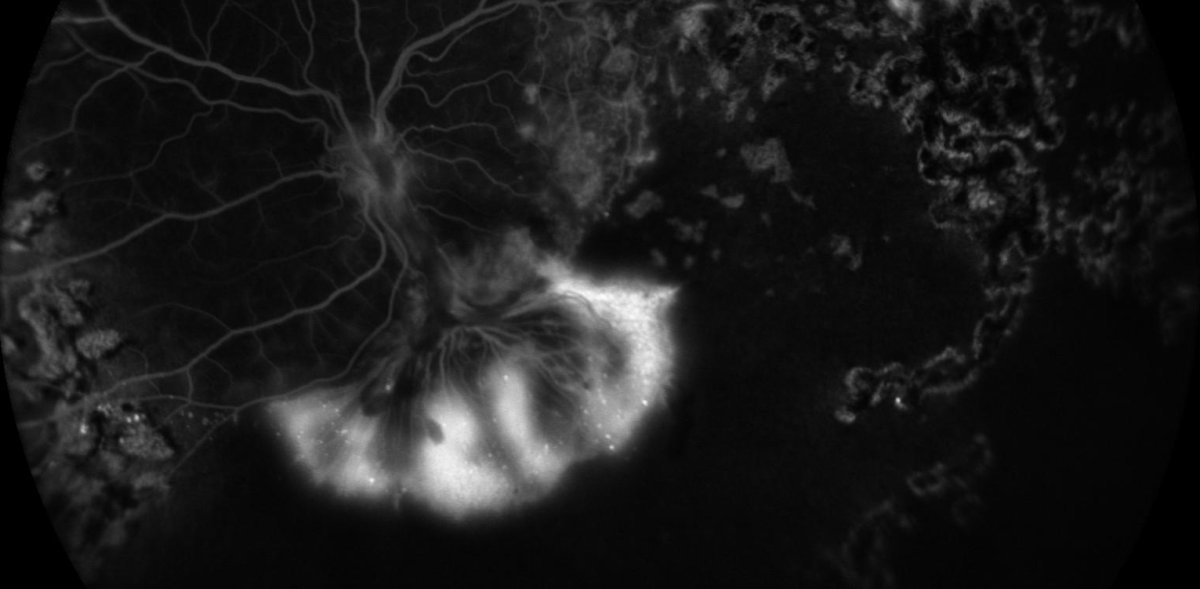
Neovascularization, the pathological formation of new blood vessels, is a fundamental biological response to tissue injury, ischaemia, inflammation, and tumour...
 Patterns & Presentations
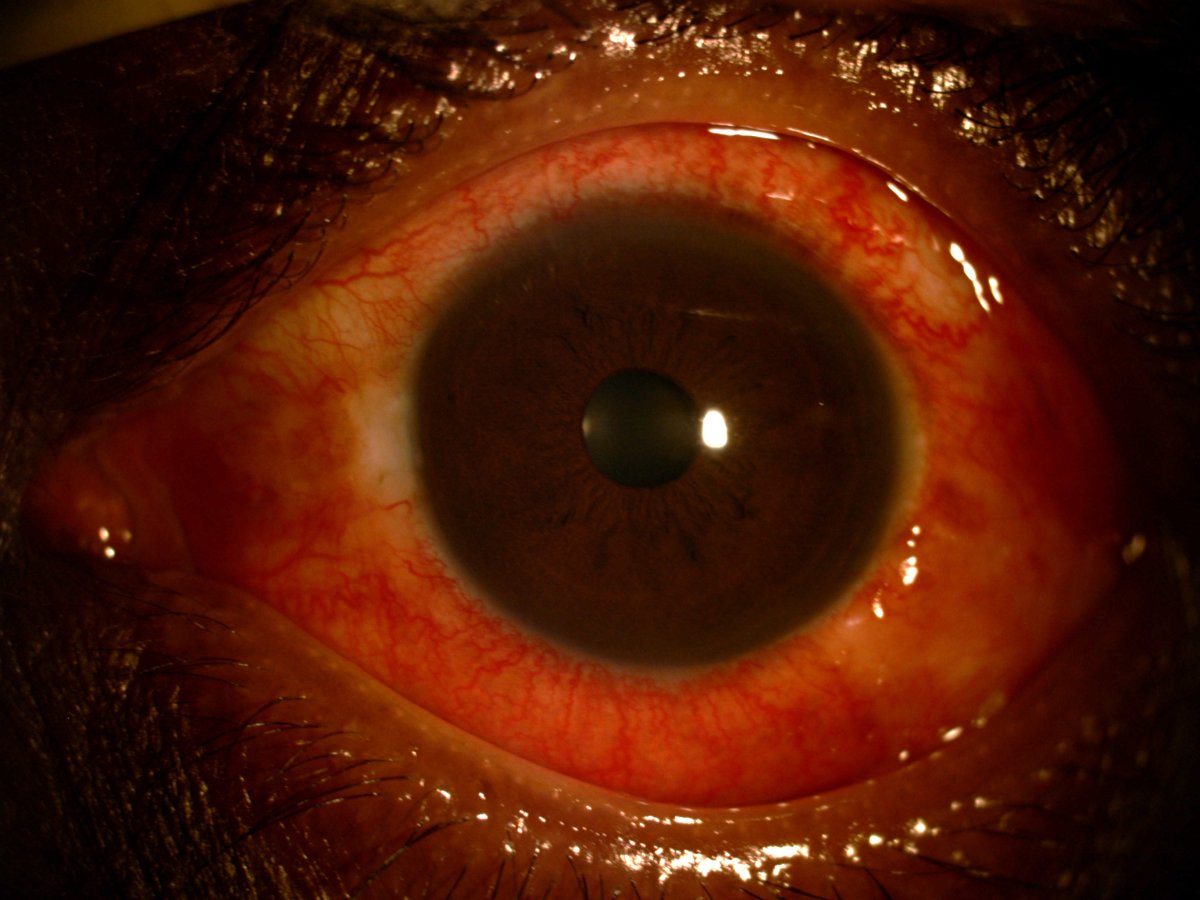
CLASSIFICATION OF UVEITIS Proper classification of uveitic entities is essential to avoid confusion and misinterpretation among ophthalmologists.
 Patterns & Presentations
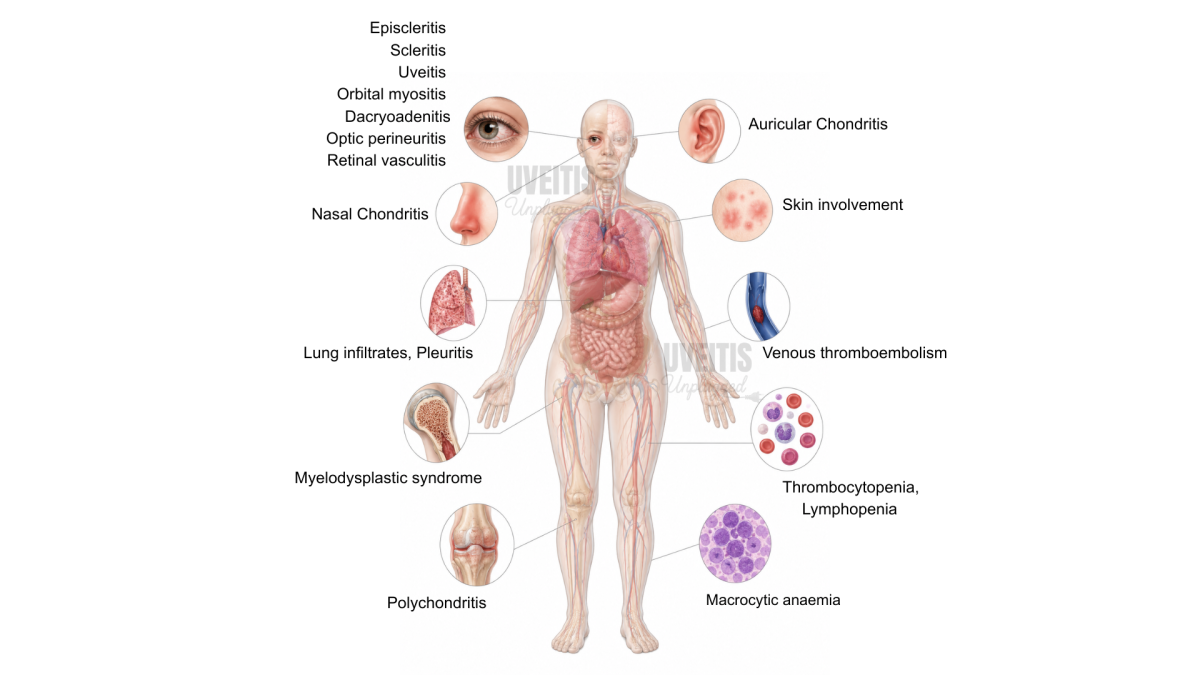
In 2020, a landmark paper in the New England Journal of Medicine described 25 men with severe, treatment-resistant inflammation and a previously unrecognised...
 Building Blocks
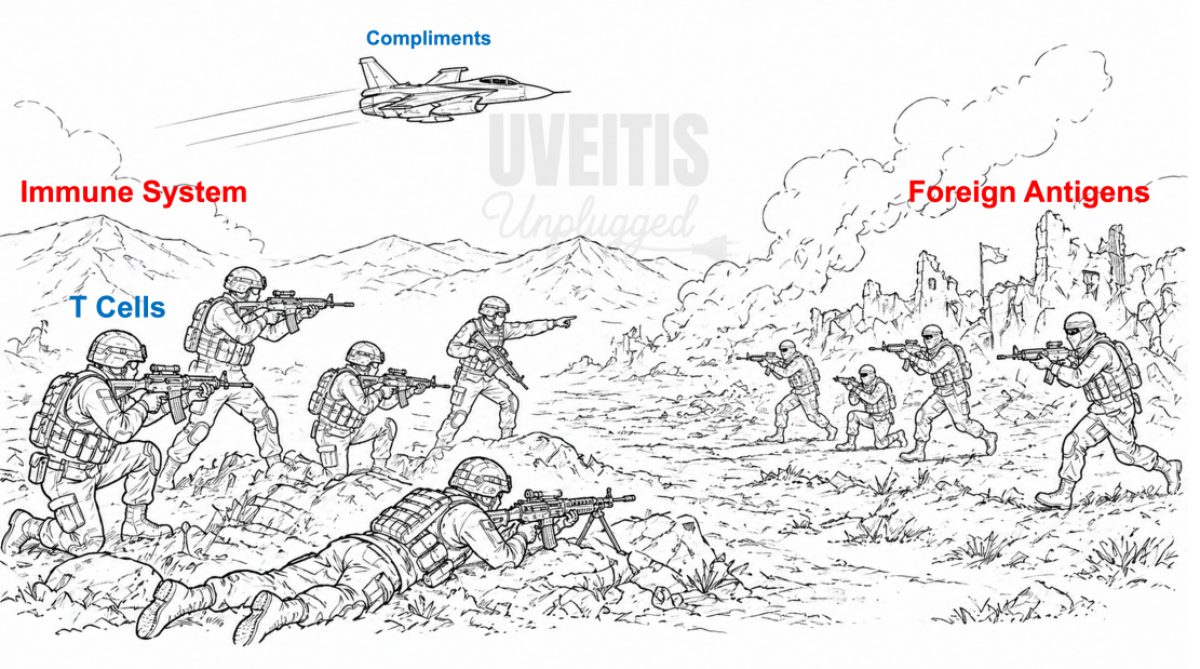
Think of the immune system as an army whose primary role is to defend the body against invading enemies.
 Patterns & Presentations
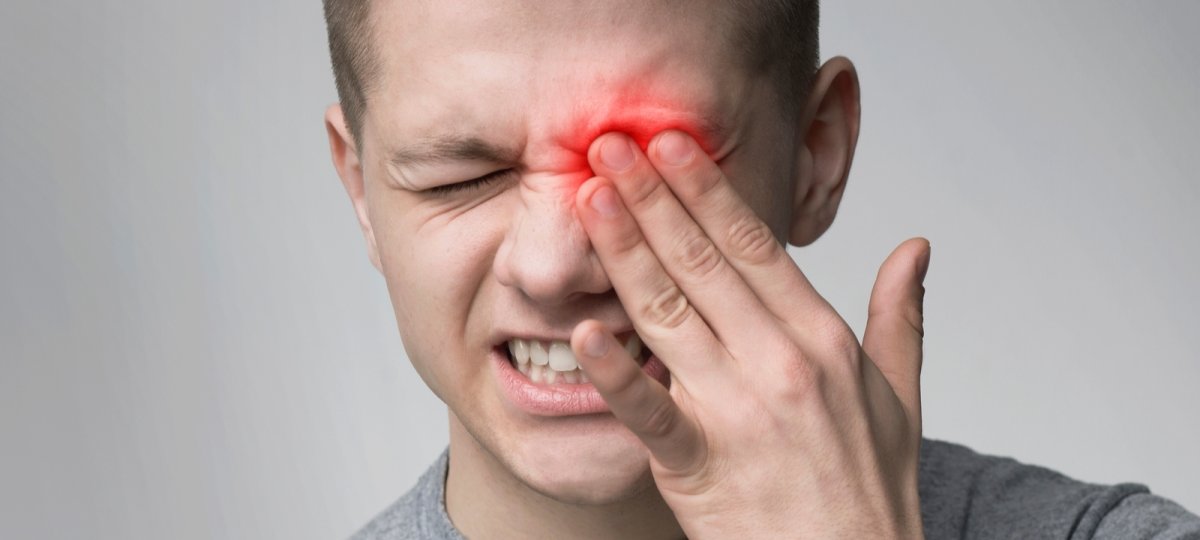
Eye pain is one of the most alarming symptoms a patient can present with. It can range from a minor irritation to a sign of a sight-threatening or even...
 Patterns & Presentations
COMPLICATIONS OF UVEITIS Band keratopathy Long-standing chronic iridocyclitis or intraocular inflammation, especially in children, can result in deposition of...
 Decoding the Labs
Antinuclear antibodies (ANA) are autoantibodies directed against nuclear, nucleolar, or perinuclear antigens, serving as hallmark markers for various...
 Patterns & Presentations
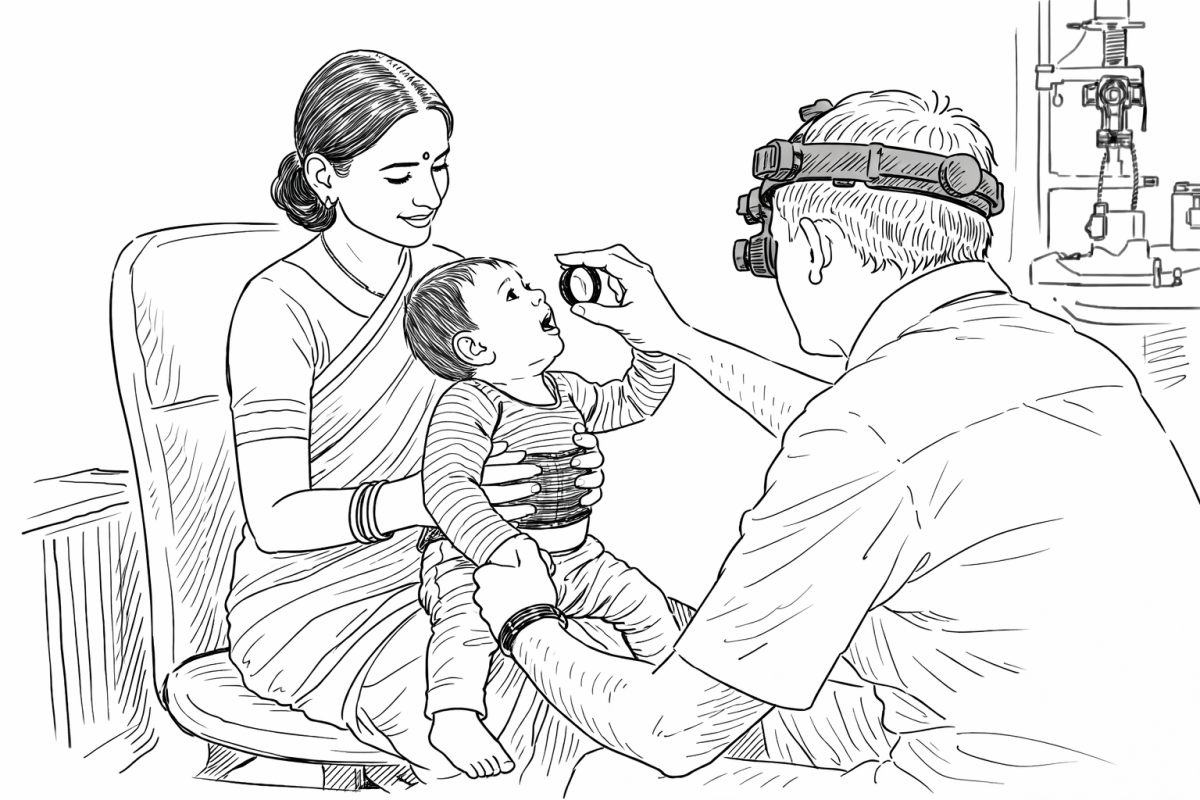
When Family History Speaks Loudly A positive family history of Behçet's disease is significantly more frequent in pediatric-onset disease compared to...